
Table of Contents
ToggleCoffee culture shapes how millions of people start their mornings, connect with friends, and discover new flavors. Learning how to coffee culture means more than just drinking a daily cup, it involves understanding origins, mastering brewing techniques, and joining a global community of enthusiasts. Whether someone orders a simple drip coffee or experiments with pour-over methods at home, coffee culture offers an accessible entry point for anyone curious about this beloved beverage. This guide breaks down the essentials for beginners ready to deepen their appreciation and make coffee a meaningful part of daily life.
Key Takeaways
- Coffee culture is about more than caffeine—it’s rooted in centuries of tradition, craftsmanship, and human connection.
- Understanding basic terminology like Arabica vs. Robusta, roast levels, and grind sizes helps you brew better coffee at home.
- Experiment with different brewing methods such as pour-over, French press, espresso, and cold brew to discover your personal preferences.
- Freshness matters—coffee tastes best within two to four weeks after roasting, so invest in whole beans and a burr grinder.
- Engage with your local coffee community by visiting specialty shops, attending cupping events, and asking baristas questions.
- Coffee culture connects you to global values like sustainability, fair trade, and ethical sourcing with every cup you enjoy.
Understanding the Roots of Coffee Culture
Coffee culture has a rich history that spans centuries and continents. The story begins in Ethiopia, where legend says a goat herder named Kaldi noticed his goats became energetic after eating certain berries. From there, coffee spread to Yemen, where Sufi monks used it to stay awake during prayers. By the 15th century, coffeehouses appeared in the Middle East. These spaces became hubs for conversation, business, and intellectual exchange.
European coffee culture emerged in the 17th century. Cities like Vienna, Paris, and London opened their own coffeehouses. Writers, artists, and philosophers gathered in these establishments. Coffee culture became synonymous with creativity and social connection. The drink itself was secondary to the experience of community.
Today, coffee culture reflects this same spirit. Third-wave coffee movements prioritize quality, sustainability, and direct trade with farmers. People care about where their beans come from, how they’re roasted, and who grows them. Understanding these roots helps beginners appreciate why coffee culture matters. It’s not just about caffeine, it’s about tradition, craftsmanship, and human connection.
Modern coffee culture also embraces diversity. Italian espresso traditions differ from Scandinavian filter preferences. Japanese kissaten offer a slow, meditative coffee experience. Each regional approach adds depth to global coffee culture. Beginners can explore these traditions to find what resonates with their personal taste.
Building Your Coffee Knowledge
Building coffee knowledge starts with understanding basic terminology. Arabica and Robusta are the two main coffee species. Arabica offers smoother, more complex flavors. Robusta contains more caffeine and tastes bolder. Most specialty coffee uses Arabica beans.
Roast levels affect flavor significantly. Light roasts preserve origin characteristics and often taste fruity or floral. Medium roasts balance acidity with body. Dark roasts feature bold, smoky notes but lose some original bean character. There’s no right or wrong preference, each roast level serves different tastes.
Grind size matters for extraction. Coarse grinds work well for French press and cold brew. Medium grinds suit drip coffee makers. Fine grinds are essential for espresso. Using the wrong grind size leads to under-extracted or over-extracted coffee. Under-extracted coffee tastes sour. Over-extracted coffee tastes bitter.
Freshness impacts quality more than most beginners realize. Coffee reaches peak flavor within two to four weeks after roasting. Pre-ground coffee loses freshness faster than whole beans. Investing in a simple burr grinder allows coffee lovers to grind beans right before brewing.
Tasting coffee intentionally builds palate awareness. Professional cuppers slurp loudly to aerate the coffee across their tongue. Beginners can practice noting acidity, sweetness, body, and finish. Keep a simple journal of different coffees to track preferences. Over time, patterns emerge that guide future purchases.
Coffee culture rewards curiosity. Reading about processing methods, washed, natural, honey, opens new flavor possibilities. Following roasters on social media provides education alongside entertainment. Every cup becomes an opportunity to learn something new.
Exploring Different Brewing Methods
Coffee culture offers numerous brewing methods. Each technique produces distinct results. Beginners benefit from trying several approaches before settling on favorites.
Pour-Over Methods
Pour-over brewing gives the user complete control over extraction. Popular devices include the Hario V60, Chemex, and Kalita Wave. The process involves pouring hot water in circles over ground coffee. A paper or metal filter catches the grounds while liquid drips into a vessel below. Pour-over coffee tends to be clean and bright. It highlights delicate flavor notes.
Immersion Brewing
French press represents the classic immersion method. Ground coffee steeps directly in hot water for about four minutes. A metal mesh plunger separates grounds from liquid. French press coffee has a fuller body because oils pass through the filter. The AeroPress offers another immersion option with faster brew times and easier cleanup.
Espresso-Based Drinks
Espresso forms the foundation of lattes, cappuccinos, and americanos. This method forces hot water through finely ground coffee under high pressure. Home espresso machines range from affordable to professional-grade. Many coffee culture enthusiasts start with a Moka pot, which produces strong coffee similar to espresso without the equipment cost.
Cold Brew
Cold brew steeps coarse coffee grounds in cold water for 12 to 24 hours. The result is smooth, low-acid concentrate. Dilute it with water or milk to taste. Cold brew keeps in the refrigerator for up to two weeks. It’s perfect for hot summer months.
Each brewing method suits different situations. Morning routines might favor quick pour-over. Weekend relaxation might call for slow French press preparation. Coffee culture encourages experimentation without judgment.
Engaging With Your Local Coffee Community
Coffee culture thrives through community connection. Local coffee shops serve as gathering points for enthusiasts at all levels. Regular visits help beginners learn from baristas who often share knowledge freely.
Asking questions builds relationships. Most specialty coffee professionals enjoy discussing their craft. Questions about bean origins, roasting partners, or brewing recommendations show genuine interest. These conversations often lead to personalized suggestions that improve home brewing.
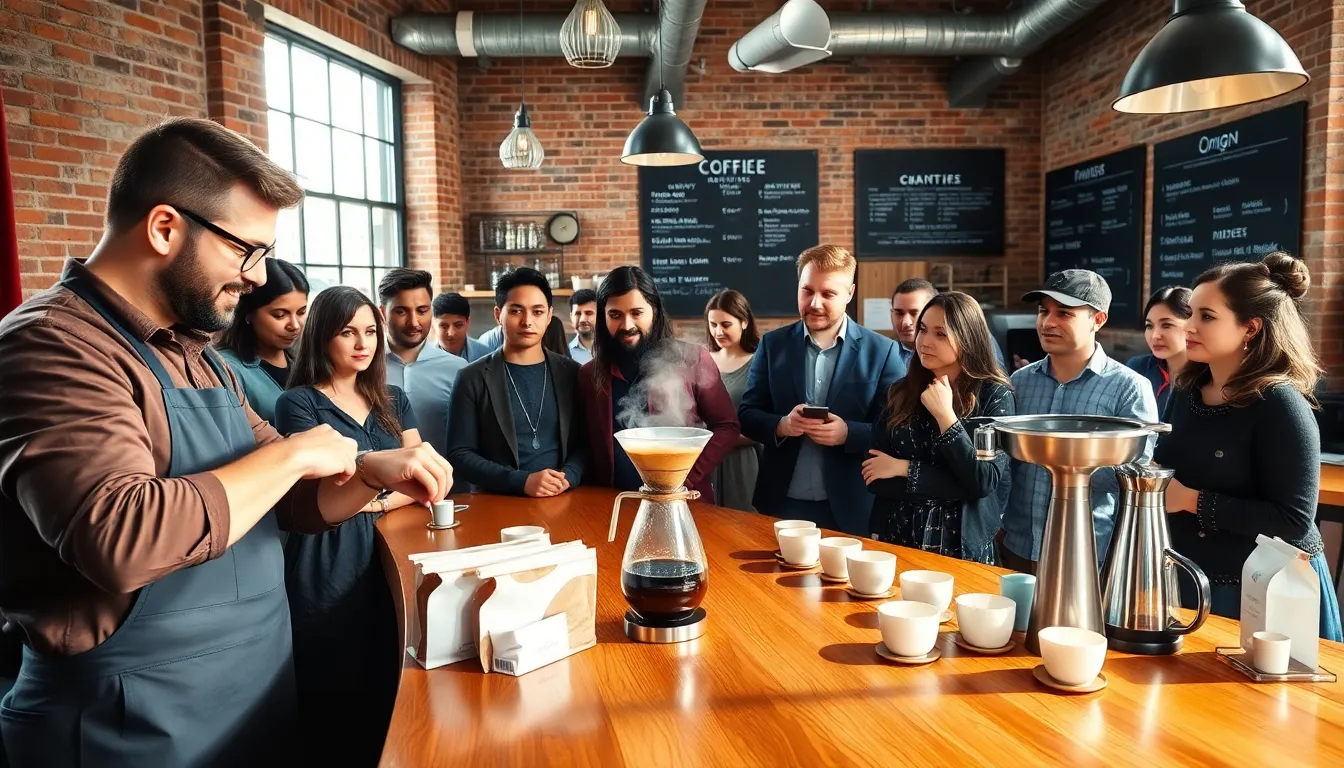
Many coffee shops host cupping events or brewing workshops. These gatherings introduce participants to new coffees and techniques. Cupping teaches systematic tasting methods. Workshops provide hands-on practice with different equipment. Both experiences accelerate learning and connect attendees with like-minded people.
Social media platforms extend coffee community beyond physical spaces. Instagram accounts dedicated to coffee culture share beautiful photos alongside educational content. Reddit communities like r/coffee answer questions and debate preferences. YouTube channels demonstrate brewing techniques in detail. These resources make coffee culture accessible regardless of location.
Supporting local roasters strengthens community ties. Small-batch roasters often source beans with care and roast with attention. Buying directly from them keeps money in the local economy. Many offer subscriptions that deliver fresh coffee regularly.
Coffee culture also connects to broader values. Many enthusiasts care about fair wages for farmers, environmental sustainability, and ethical sourcing. Engaging with these issues adds meaning to daily coffee rituals. The cup becomes a connection to producers thousands of miles away.
Finding a coffee mentor accelerates growth. This might be a barista, a coworker, or an online acquaintance. Sharing discoveries and asking for feedback creates accountability. Coffee culture welcomes newcomers warmly.