

In the fast-paced world of esports, players are racking up victories and breaking records, but they’re also facing a surprising opponent: injuries. Yes, you read that right. While most people think of athletes as those who sprint down a field, the reality is that gamers are experiencing their own unique set of physical challenges. From wrist strain to eye fatigue, the battle for supremacy can take a toll on even the most dedicated players.
Overview of Esports Injuries
Esports injuries mirror challenges faced by traditional athletes. Various physical ailments, including wrist strain, occur due to repetitive motions during gameplay. High-intensity gaming sessions lead to discomfort that can seriously affect player’s performance.
Eye fatigue stands as another prevalent issue in this realm. Staring at screens for extended periods creates strain, contributing to both temporary and lasting visual discomfort. Over time, prolonged exposure to blue light from monitors can lead to chronic eye problems.
Mental fatigue can result from the constant focus and intense concentration required during competitive matches. Gamers often experience a decline in cognitive function, impacting decision-making abilities.
Neck and shoulder pain also emerge as common complaints among esports players. Poor posture while gaming frequently causes these aches, highlighting the importance of ergonomic setups.
Furthermore, stress-related injuries appear increasingly relevant. The pressure to perform at high levels can lead to anxiety and stress, which may manifest physically.
Players often overlook these health indicators, prioritizing their quest for success over well-being. Proper warm-up routines, regular breaks, and ergonomic adjustments can mitigate risks. Monitoring these factors is essential for maintaining optimal health throughout their gaming careers.
Common Injuries in Esports
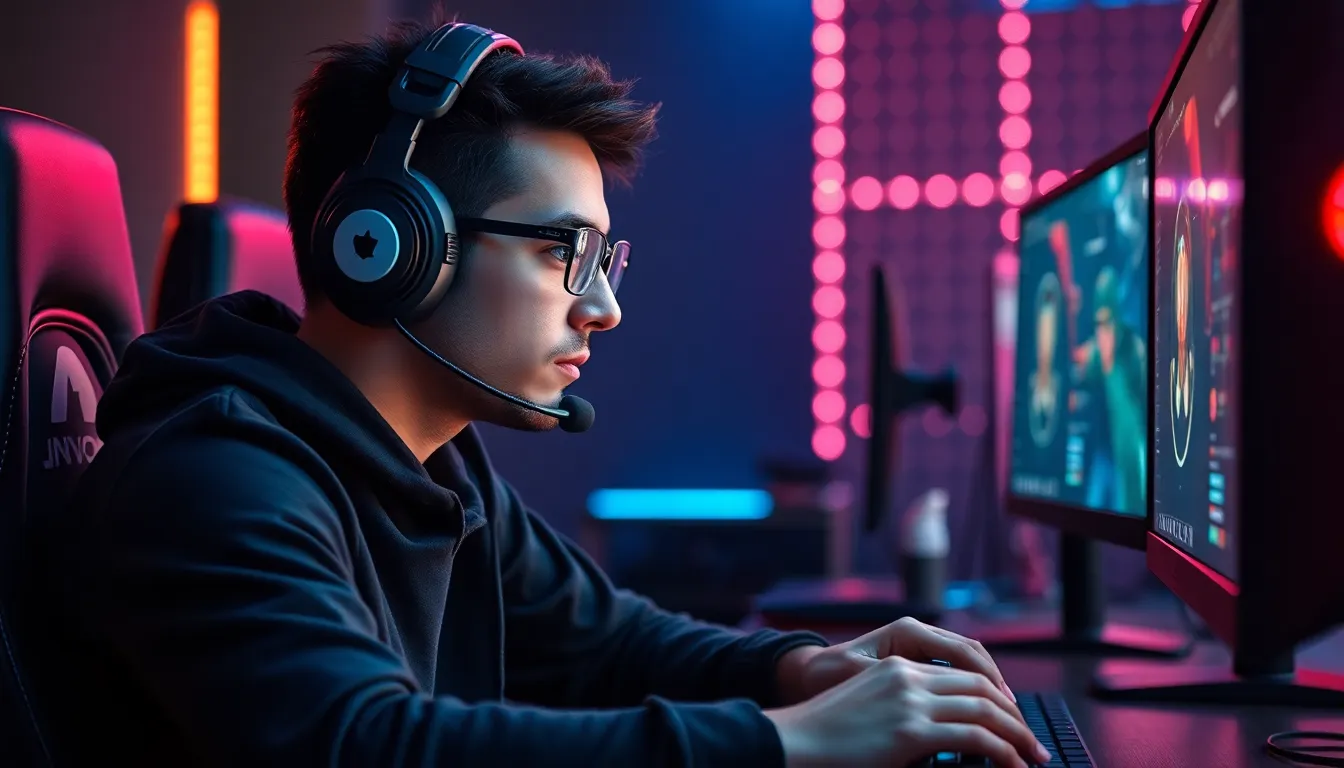
Gamers face a range of injuries that may impact their performance and overall health. These issues often arise from the demands of competitive gameplay and excessive screen time.
Physical Injuries
Physical injuries encompass a variety of ailments that can severely affect gameplay. Wrist strain and carpal tunnel syndrome frequently result from repetitive motions while gaming. Such conditions can lead to significant discomfort and decreased hand mobility. Neck and shoulder pain often stem from poor posture, causing tension and long-term damage. Eye fatigue arises from prolonged focus on screens, contributing to vision-related problems over time. Preventative measures, like ergonomic setups and routine breaks, enhance comfort and performance during extended play.
Mental Health Issues
Mental health issues emerge as a pressing concern in the esports environment. Anxiety and stress often increase due to the competitive nature of the sport. Intense pressure to perform can lead to burnout, impacting emotional well-being. Cognitive overload from sustained concentration may cause decision-making difficulties and impaired focus. Addressing these challenges entails implementing regular mental wellness practices, including mindfulness and relaxation techniques. Players benefit from maintaining a balanced lifestyle to optimize gameplay and mental resilience.
Recent Statistics on Esports Injuries
Statistics indicate that up to 80% of esports athletes experience some form of injury. This figure highlights the scope of the problem in the gaming community. Wrist strain stands out as one of the most common injuries, affecting 50% of players regularly. Such discomfort can lead to more significant issues like carpal tunnel syndrome.
Data reveals that eye fatigue impacts around 75% of gamers during tournament play. Staying focused for long durations contributes to this challenge. Poor posture during rigorous sessions is linked to neck and shoulder pain, experienced by approximately 60% of esports competitors. Adopting ergonomic setups can significantly mitigate these risks.
Mental health issues present additional complications. A recent study shows that 40% of players report anxiety during competitions. This pressure can also manifest physically, leading to stress-related injuries. Engaging in mindfulness practices can help in reducing these symptoms.
Overall, the prevalence of injuries recalls the challenges faced by traditional athletes. The need for routine breaks is more pressing than ever to maintain peak performance. Gamers are encouraged to prioritize their physical and mental health to enhance overall gaming experiences.
Prevention Strategies
Prioritizing injury prevention is crucial in esports. Implementing effective strategies can significantly reduce the risk of common injuries among players.
Ergonomic Practices
Adopting ergonomic practices minimizes the risk of injury during gaming. Proper chair and desk height helps maintain good posture, alleviating neck and shoulder discomfort. Additionally, using wrist supports or ergonomic keyboards reduces strain on the hands while playing. Monitoring screen distance and glare also contributes to eye health, vital for prolonged gaming sessions. Players reporting that 60% experience neck and shoulder pain often benefit from making these adjustments. Effectively setting up gaming spaces allows for comfort and enhances performance.
Scheduled Breaks and Rest
Taking scheduled breaks during gaming sessions is essential for injury prevention. Players should set timers to remind them to take short breaks every 30 to 60 minutes. These breaks can include standing, stretching, or engaging in brief physical activity, which helps reduce fatigue and muscle strain. Eye strain can also be mitigated with the 20-20-20 rule: every 20 minutes, players should look at something 20 feet away for at least 20 seconds. Establishing a routine that incorporates these breaks can significantly improve concentration and overall well-being. Regular rest contributes to sustained performance and mental clarity, essential for competitive esports.
Treatment and Rehabilitation
Effective treatment and rehabilitation for esports injuries play a crucial role in recovery. Addressing the specific needs of players promotes optimal health and performance.
Professional Guidance
Consulting a healthcare professional is vital for accurate diagnosis and treatment. Physical therapists often recommend personalized rehabilitation programs that target specific injuries, such as wrist strain and neck pain. Experts utilize techniques like stretching, strengthening exercises, and ergonomic assessments to enhance recovery. Regular follow-ups ensure adjustments in the treatment plan based on progress. Engaging with a sports psychologist also supports mental health, addressing anxiety and stress management for holistic recovery.
Home Remedies
Incorporating home remedies can provide immediate relief from common ailments. Applying ice packs for 15 to 20 minutes helps reduce inflammation and soothe pain from wrist strain. Stretching exercises focused on the neck and shoulders alleviate discomfort linked to poor posture. Eye strain can improve significantly by following the 20-20-20 rule, which entails looking at something 20 feet away every 20 minutes for 20 seconds. Maintaining proper hydration supports overall wellness and aids recovery. Utilizing ergonomic tools, like wrist supports and adjustable chairs, creates a comfortable gaming environment that minimizes injury risks.
Esports injuries are a pressing issue that can’t be overlooked. As the competitive gaming landscape continues to evolve, players must prioritize their physical and mental health to sustain peak performance. Implementing ergonomic practices and regular breaks is vital for preventing injuries that can hinder gameplay.
Additionally, addressing mental health through mindfulness and relaxation techniques is essential for maintaining balance in a high-pressure environment. By adopting a holistic approach to health and wellness, gamers can not only enhance their performance but also enjoy a longer and healthier career in esports. The commitment to injury prevention and recovery will pave the way for a more sustainable future in competitive gaming.