Table of Contents
ToggleCoffee culture trends 2026 are shaping up to redefine how people drink, buy, and experience their daily brew. From sustainability demands to functional ingredients, the industry is responding to shifting consumer priorities. Coffee lovers want more than caffeine, they want purpose, connection, and quality in every cup.
This year brings significant changes to cafés, home brewing setups, and the global supply chain. Technology plays a bigger role than ever. Single-origin beans continue their rise. And the café itself? It’s becoming something different entirely.
Here’s what coffee enthusiasts, shop owners, and industry watchers need to know about coffee culture trends 2026.
Key Takeaways
- Coffee culture trends 2026 prioritize sustainability, with consumers favoring brands that offer carbon-neutral roasting, compostable packaging, and direct trade relationships.
- Functional coffee featuring adaptogens, collagen, and nootropics is moving mainstream, allowing drinkers to customize their brew for focus, wellness, or relaxation.
- Technology enhances the coffee experience through smart home brewing equipment, AI-powered quality control, and mobile ordering apps that personalize recommendations.
- Single-origin and specialty coffees continue rising in popularity as consumers seek traceable beans with distinct flavor profiles and specific processing methods.
- Cafés are evolving into multi-purpose spaces that blend remote work amenities, community events, and traditional coffee service to meet diverse customer needs.
- Coffee culture trends 2026 reflect a market where quality, purpose, and connection matter more than ever in every cup.
Sustainability Takes Center Stage
Sustainability isn’t a buzzword anymore, it’s a baseline expectation. Coffee culture trends 2026 show consumers actively choosing brands that prioritize environmental responsibility. They’re reading labels, asking questions, and switching loyalties based on eco-credentials.
Carbon-neutral roasting operations are becoming standard among leading brands. Many roasters now offset emissions through verified programs or invest in renewable energy for their facilities. Consumers notice, and they reward these efforts with repeat purchases.
Packaging has changed dramatically. Compostable bags, refillable containers, and minimal plastic options dominate shelves. Some cafés offer discounts for customers who bring reusable cups, a practice that’s grown from novelty to norm.
Direct trade relationships between roasters and farmers continue expanding. These partnerships ensure fair wages while reducing the environmental cost of middlemen and excessive transportation. Coffee drinkers appreciate knowing exactly where their beans come from and who benefits from their purchase.
Water conservation also matters more in 2026. Coffee processing requires significant water, and drought-prone growing regions face real challenges. Brands that invest in water-efficient processing gain competitive advantage and consumer trust.
The message is clear: coffee culture trends 2026 reward companies that take environmental action seriously.
The Rise of Functional Coffee
Functional coffee has moved from health-food stores to mainstream menus. Coffee culture trends 2026 include widespread adoption of ingredient-enhanced brews that promise benefits beyond alertness.
Adaptogens lead this movement. Mushroom coffee, featuring lion’s mane, chaga, or reishi, appears in grocery aisles and café specials alike. These additions claim to support focus, reduce stress, and boost immunity. Whether the science fully supports every claim, consumers are buying.
Collagen-infused coffee targets the beauty and wellness crowd. Protein-enriched options appeal to fitness enthusiasts who want their morning ritual to serve multiple purposes. Some brands add CBD for relaxation without drowsiness.
Nootropic blends represent another growing category. These coffees include ingredients like L-theanine, which may smooth out caffeine’s jittery effects while maintaining mental clarity.
Cafés respond by offering customization. Customers choose their base coffee, then add functional boosters from a menu of options. This personalization drives loyalty and higher ticket prices.
Not everyone’s convinced. Purists argue that great coffee doesn’t need additions. But the numbers tell a different story, functional coffee sales grow double-digits year over year. Coffee culture trends 2026 prove that many drinkers want their cup to work harder.
Tech-Driven Coffee Experiences
Technology reshapes coffee culture trends 2026 in ways both visible and behind-the-scenes. Smart machines, apps, and AI influence how coffee gets made, ordered, and enjoyed.
Home brewing equipment now includes Wi-Fi-connected espresso machines and grinders. Users adjust settings via smartphone, save favorite profiles, and receive maintenance alerts. Some machines learn preferences over time, automatically tweaking extraction based on past feedback.
Café ordering has gone largely mobile. Customers place orders before arriving, skip lines, and customize drinks through apps. Loyalty programs track purchases and suggest new options based on order history. This convenience drives repeat business.
AI-powered quality control helps roasters achieve consistency. Sensors analyze bean color, density, and moisture content in real time. Algorithms adjust roast profiles to maintain flavor standards batch after batch.
Subscription services use data analytics to predict when customers need more beans and what new varieties they might enjoy. Personalized recommendations increase satisfaction and reduce decision fatigue.
Even barista training incorporates technology. Virtual reality simulations teach latte art and machine operation before trainees touch real equipment. This speeds onboarding and reduces waste.
Coffee culture trends 2026 embrace technology that enhances, not replaces, the human elements of the coffee experience.
Specialty and Single-Origin Preferences
Specialty coffee continues its upward trajectory. Coffee culture trends 2026 show growing consumer appetite for high-quality, traceable beans with distinct flavor profiles.
Single-origin offerings dominate specialty menus. Drinkers want to know the farm, region, and processing method behind their cup. Ethiopian Yirgacheffe, Colombian Huila, and Guatemalan Antigua command premium prices and loyal followings.
Micro-lots, small batches from specific plots within a farm, attract serious enthusiasts. These limited releases sell out quickly and create excitement similar to wine vintage releases.
Processing methods matter more than ever. Natural, washed, honey, and anaerobic fermentation each produce different flavor characteristics. Educated consumers request specific processes by name.
Light roasts gain ground as drinkers seek to taste origin characteristics rather than roast flavors. Dark roasts still have fans, but the trend favors lighter profiles that highlight bean quality.
Home brewing equipment supports this shift. Pour-over devices, Aeropress, and precision grinders help enthusiasts extract maximum flavor from premium beans. YouTube tutorials and online communities share techniques and recommendations.
Coffee culture trends 2026 reflect a maturing market where quality beats quantity and knowledge enhances enjoyment.
Evolving Café Culture and Social Spaces
Cafés serve different purposes in 2026. Coffee culture trends reflect changing work patterns, social needs, and community expectations.
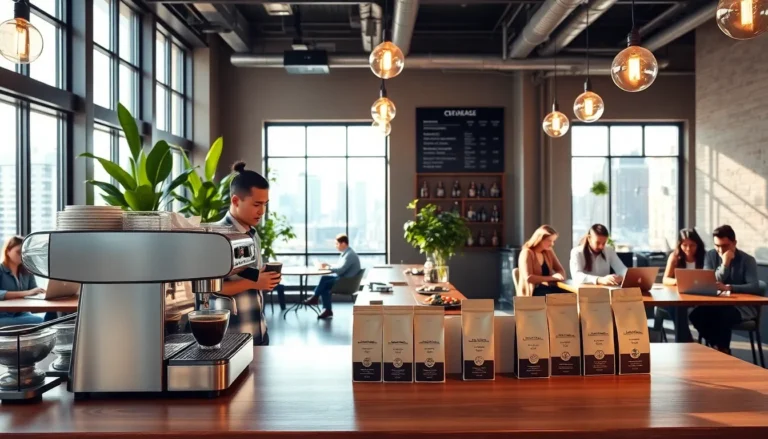
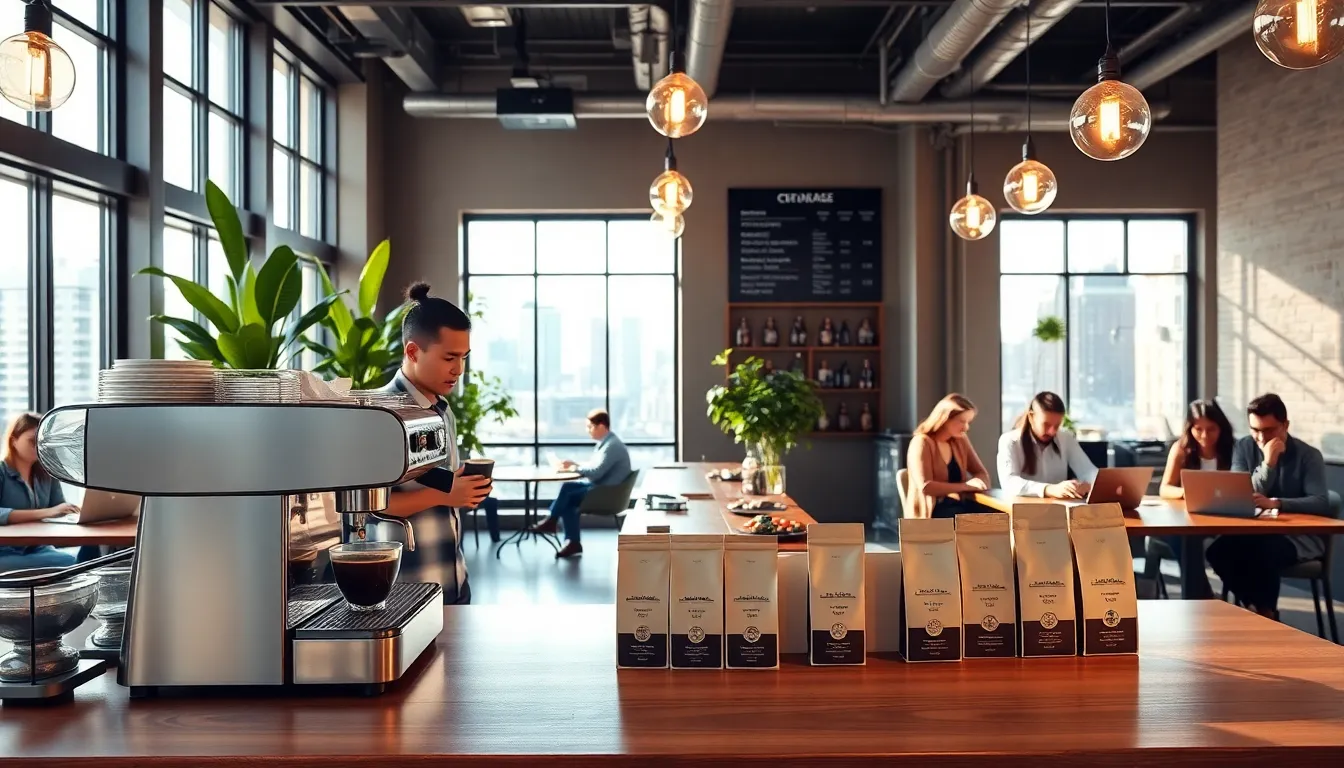
Remote work transformed café economics. Many shops now offer day passes, reserved seating, and better Wi-Fi to accommodate laptop workers. Some charge by the hour rather than relying solely on beverage sales. This model works for both parties, workers get dedicated space, and cafés get predictable revenue.
Community programming draws people in. Coffee shops host book clubs, language exchanges, art shows, and live music. These events build loyalty and differentiate one café from another. The best shops become neighborhood anchors.
Design matters. Instagrammable interiors attract younger customers who share photos online, providing free marketing. But comfort counts too, uncomfortable seating drives people away regardless of aesthetics.
Third-wave shops coexist with grab-and-go concepts. Some customers want the full experience: watching their pour-over prepared, chatting with baristas, savoring each sip. Others need speed and efficiency. Smart operators serve both.
Coffee culture trends 2026 show cafés becoming more than coffee vendors. They’re workspaces, gathering spots, and community hubs wrapped into one.