Table of Contents
ToggleCoffee culture for beginners can feel overwhelming at first glance. Walk into any specialty café and you’ll encounter unfamiliar terms, brewing equipment that looks like chemistry sets, and a menu that reads like a foreign language. But here’s the thing: everyone starts somewhere. This guide breaks down the essentials of coffee culture, from understanding basic drinks to building meaningful rituals at home. Whether someone wants to appreciate their morning cup more deeply or confidently order at a new café, this article covers everything they need to know.
Key Takeaways
- Coffee culture for beginners transforms a daily caffeine habit into a richer experience by exploring origins, brewing techniques, and flavor profiles.
- Master foundational drinks like espresso, lattes, cappuccinos, and cold brew to confidently navigate any café menu.
- Experiment with home brewing methods—French press, pour-over, or AeroPress—to discover your personal flavor preferences.
- Use a simple ordering formula (size + temperature + milk + drink type) to order coffee like a pro at specialty cafés.
- Build meaningful home coffee rituals by investing in fresh beans, a burr grinder, and filtered water for dramatically better results.
- Creating a personal coffee routine can save over $1,700 per year compared to daily café purchases while delivering café-quality drinks.
What Is Coffee Culture and Why Does It Matter
Coffee culture refers to the social behaviors, traditions, and values that surround coffee consumption. It goes beyond simply drinking caffeine for energy. Coffee culture includes how people prepare their drinks, where they enjoy them, and the communities that form around shared appreciation for quality coffee.
Different regions have developed unique approaches to coffee culture. In Italy, espresso is consumed quickly at a bar counter. In Ethiopia, coffee ceremonies can last hours and involve roasting green beans fresh. Scandinavian countries embrace “fika”, a dedicated break for coffee and conversation with friends or colleagues.
For beginners, understanding coffee culture matters because it transforms a routine habit into something richer. Learning about origins, brewing techniques, and flavor profiles adds depth to every cup. It also opens doors to social experiences, whether that means chatting with a barista about single-origin beans or hosting pour-over sessions at home.
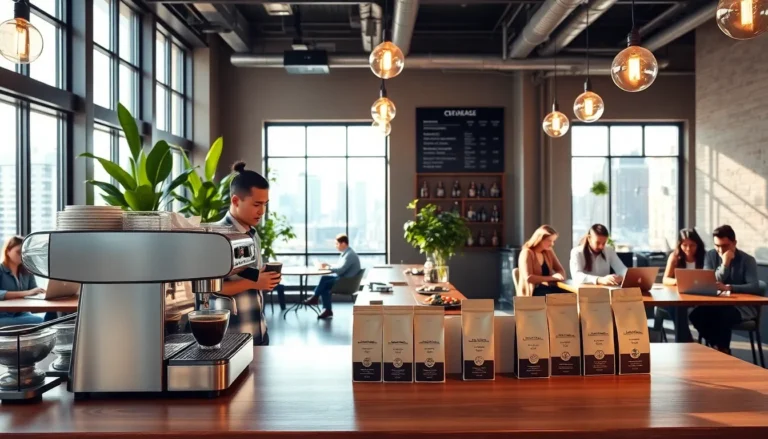
Coffee culture creates connection. Cafés serve as meeting spots, workspaces, and community hubs. People build friendships over shared drinks. They discover new flavors together. This social dimension makes coffee culture more than a hobby, it becomes part of daily life.
Understanding Basic Coffee Types and Brewing Methods
Anyone entering coffee culture needs to understand the foundational drinks and how they’re made. Here’s a quick breakdown of the most common types:
Espresso: A concentrated shot of coffee brewed by forcing hot water through finely ground beans. It serves as the base for most café drinks.
Americano: Espresso diluted with hot water. This creates a milder flavor similar to drip coffee but with espresso’s distinct character.
Latte: Espresso combined with steamed milk and a small layer of foam. Lattes taste smooth and creamy.
Cappuccino: Equal parts espresso, steamed milk, and foam. Cappuccinos have a stronger coffee flavor than lattes and more texture from the foam.
Cold Brew: Coffee grounds steeped in cold water for 12-24 hours. The result is smooth, less acidic, and naturally sweet.
Popular Brewing Methods for Home
Different brewing methods produce different flavors from the same beans. Beginners in coffee culture should experiment to find their preferences.
Drip Coffee Maker: The most familiar method. Water drips through grounds into a carafe. It’s convenient and produces consistent results.
French Press: Coarse grounds steep in hot water, then a metal filter presses them down. This method yields full-bodied coffee with more oils.
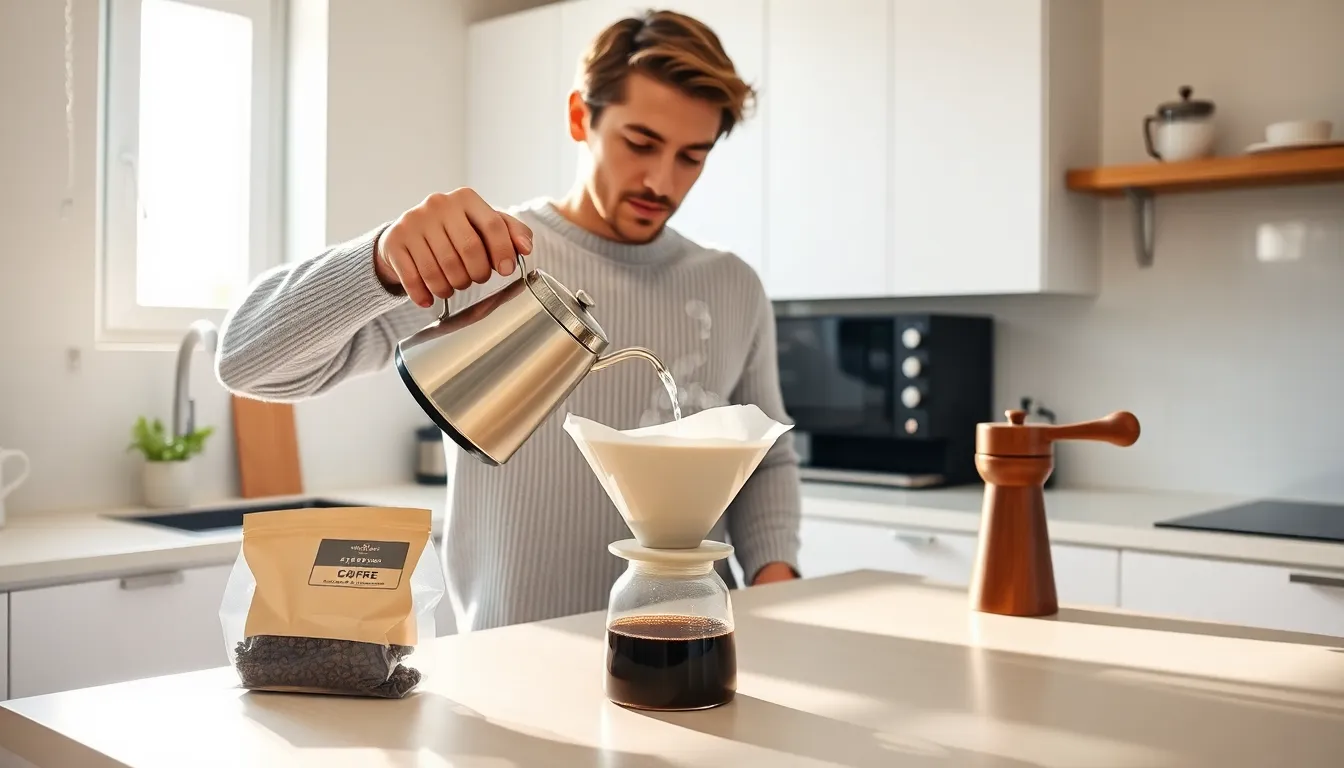
Pour-Over: Hot water is poured slowly over grounds in a cone filter. Pour-over highlights subtle flavors and gives the brewer complete control.
AeroPress: A portable device that uses air pressure to extract coffee quickly. It produces clean, concentrated coffee similar to espresso.
Starting with one method and mastering it builds confidence. Many coffee culture enthusiasts eventually collect multiple brewing devices to match different moods and beans.
How to Order Coffee Like a Pro
Ordering at a specialty café intimidates many beginners. The menu uses unfamiliar vocabulary and the line moves fast. A few simple tips make the experience easier.
First, know the size system. Many cafés use Italian terms: “short” (8 oz), “tall” (12 oz), “grande” (16 oz). Others stick with small, medium, and large. Ask if unsure, baristas appreciate questions over confused orders.
Second, understand milk options. Most cafés offer whole milk, oat milk, almond milk, and soy milk. Each affects the drink’s taste and texture. Oat milk has become popular in coffee culture because it froths well and complements espresso’s flavor.
Third, specify temperature preferences. “Iced” or “hot” should come early in the order. For lattes and cappuccinos, some people request “extra hot” or a specific temperature.
Here’s a simple ordering formula: Size + Temperature + Milk (if applicable) + Drink Type
Example: “A large iced oat milk latte, please.”
Don’t hesitate to ask the barista for recommendations. They know their menu and can suggest drinks based on flavor preferences. Like sweet drinks? Try a vanilla latte. Prefer bold flavors? A cortado or flat white delivers concentrated espresso taste with less milk.
Coffee culture rewards curiosity. Trying new drinks expands knowledge and reveals personal preferences over time.
Building Your Own Coffee Rituals at Home
Coffee culture thrives in cafés, but home rituals offer their own rewards. Creating a personal coffee routine adds structure to mornings and provides moments of calm throughout the day.
Start with fresh beans. Pre-ground coffee loses flavor within weeks. Whole beans stored properly stay fresh for about a month. A basic burr grinder costs around $30-50 and dramatically improves coffee quality.
Invest in good water. Coffee is 98% water, so tap water with strong chlorine or mineral content affects taste. Filtered water produces cleaner flavors.
Choose a brewing method that fits available time. French press takes about 4 minutes. Pour-over requires 3-4 minutes of active attention. Drip machines work automatically. Busy mornings might call for quick methods, while weekends allow for slower, more intentional brewing.
Creating Meaningful Moments
Coffee culture isn’t just about the drink, it’s about the experience surrounding it. Some people meditate while their coffee brews. Others use the time to plan their day or read a few pages of a book.
Consider these ritual-building ideas:
- Use the same favorite mug each morning
- Play specific music during brewing
- Step outside or sit by a window while drinking
- Keep a simple journal noting which beans taste best
These small practices turn coffee preparation into something meaningful rather than mechanical. Over time, the ritual itself becomes as satisfying as the caffeine boost.
Home coffee culture also saves money. A $6 daily café habit costs over $2,000 per year. Quality home brewing might cost $200-300 annually for beans and equipment, while often producing better results.