
Table of Contents
ToggleEsports coverage examples show how media outlets have transformed competitive gaming into a mainstream spectator experience. From live broadcasts to in-depth player profiles, the industry has developed distinct formats for reporting on professional gaming. Major outlets like ESPN, The Verge, and dedicated platforms such as Dot Esports now treat esports with the same seriousness as traditional sports. This article breaks down the key types of esports coverage and explains how each format serves audiences hungry for competitive gaming content.
Key Takeaways
- Esports coverage examples range from live broadcasts and match recaps to in-depth player profiles and industry news analysis.
- Live event broadcasting with professional casters and high production values has made esports as polished as traditional sports coverage.
- Match recaps and video highlights help fans catch up quickly and serve as accessible entry points for new viewers.
- Player and team profiles add emotional depth by exploring personal stories, rivalries, and behind-the-scenes moments beyond statistics.
- Industry news coverage treats esports as a legitimate business sector, analyzing sponsorships, franchise valuations, and regulatory developments.
- Major outlets like ESPN, Dot Esports, and dedicated platforms now produce comprehensive esports coverage examples across multiple formats.
Live Event Broadcasting and Commentary
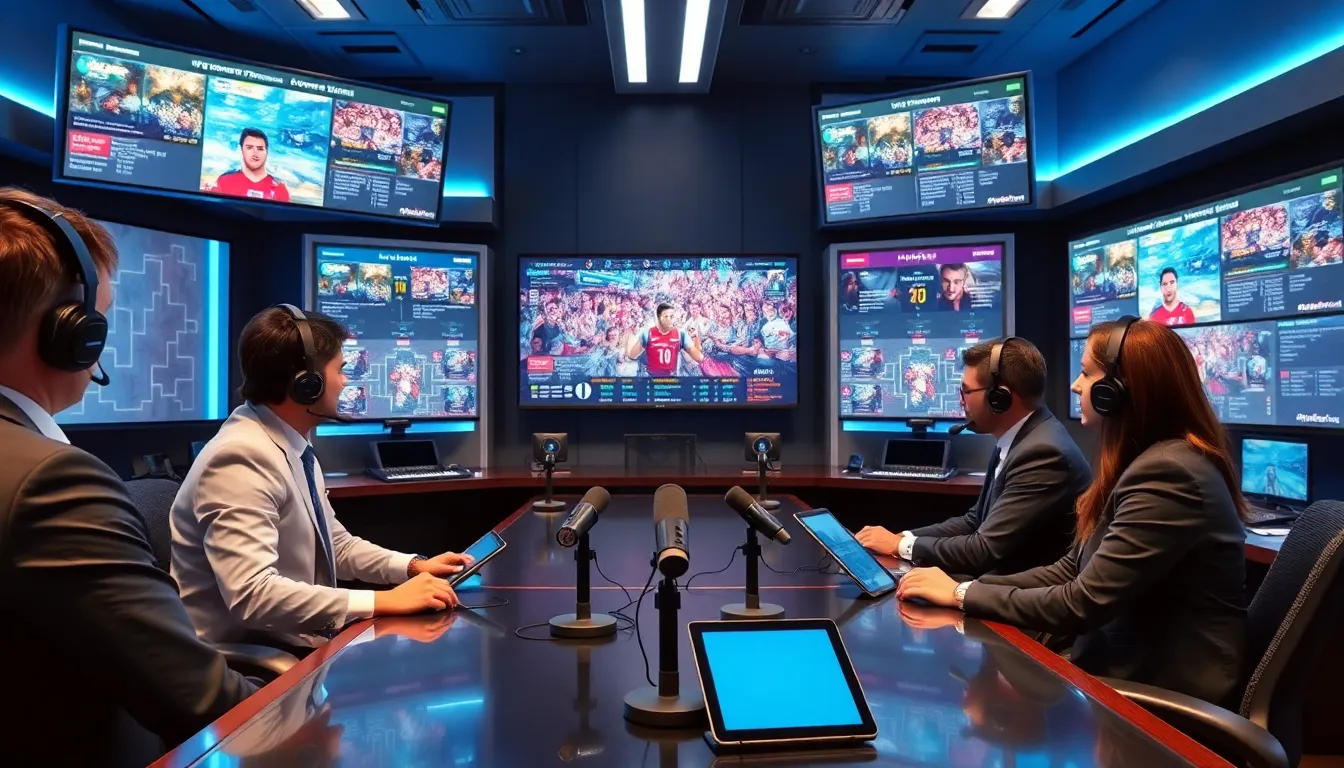
Live event broadcasting represents the most visible form of esports coverage. Platforms like Twitch and YouTube Gaming stream major tournaments to millions of viewers worldwide. These broadcasts feature professional commentators, or “casters,” who provide play-by-play analysis and color commentary.
The production quality of modern esports coverage rivals traditional sports broadcasts. Take the League of Legends World Championship as an example. Riot Games produces multi-camera coverage with augmented reality graphics, instant replays, and analyst desks between matches. The 2023 World Championship Finals drew over 6 million peak concurrent viewers across platforms.
Commentary teams typically include two or three casters. One handles play-by-play narration while others provide strategic analysis. This format mirrors what viewers expect from football or basketball broadcasts. ESPN has even brought esports coverage into its main programming, featuring dedicated segments during events like The International (Dota 2) and EVO (fighting games).
Beyond the main broadcast, many outlets offer companion content. This includes pre-show analysis, post-game interviews, and behind-the-scenes footage. These esports coverage examples demonstrate how outlets create comprehensive viewing experiences that keep audiences engaged before, during, and after matches.
Match Recaps and Tournament Highlights
Match recaps give fans quick summaries of competitive action. Not everyone can watch a five-hour tournament live. Written recaps and video highlights solve this problem.
Dot Esports, TheScore Esports, and Dexerto publish detailed match recaps within hours of competition ending. A typical recap includes final scores, standout plays, key player performances, and bracket implications. Writers often embed clips of crucial moments directly into articles.
Video highlights have become equally important in esports coverage. YouTube channels like “theScore esports” produce condensed match summaries that capture pivotal moments in under ten minutes. These videos often include caster reactions and slow-motion replays of mechanical skill plays.
Tournament highlights also serve as entry points for new viewers. Someone unfamiliar with Counter-Strike can watch a highlight reel from the BLAST Premier and understand why a particular clutch play mattered. Good esports coverage examples in this format balance accessibility with enough detail to satisfy hardcore fans.
Social media platforms extend the reach of highlights further. Twitter/X and TikTok clips spread viral moments within minutes. Outlets like Esports Illustrated have adapted their coverage to produce short-form content optimized for these platforms.
Player and Team Profiles
Player and team profiles add human stories to competitive gaming. These features explore the people behind the usernames and team logos.
Strong esports coverage examples in this category include ESPN’s long-form profiles and documentary-style content from Red Bull Esports. A good player profile covers more than statistics. It explores training routines, personal backgrounds, career challenges, and rivalries. Faker, the legendary League of Legends mid-laner, has been profiled extensively. Stories about his humble beginnings and decade-long dominance resonate with audiences who appreciate narrative depth.
Team profiles work similarly. Outlets examine team dynamics, coaching philosophies, and organizational history. When Team Liquid or Cloud9 makes roster changes, publications like Upcomer and Inven Global produce analysis pieces that contextualize these moves within each organization’s broader strategy.
Video documentaries represent premium esports coverage in this space. Series like “League of Legends: Worlds” from Riot Games and “True Sight” from Valve give unprecedented access to players during major tournaments. These productions show emotional highs and lows that statistics alone cannot capture.
Player interviews round out profile coverage. Post-match interviews have become standard at major events. Deeper sit-down conversations appear on podcasts and YouTube channels, giving fans extended access to their favorite competitors.
Industry News and Analysis
Industry news coverage treats esports as a legitimate business sector. This type of reporting goes beyond match results to examine the economics and politics of competitive gaming.
Publications like The Esports Observer (now part of Sportico) and Esports Insider focus on business news. They cover sponsorship deals, franchise valuations, broadcast rights agreements, and merger activity. When Microsoft acquired Activision Blizzard for $69 billion, esports coverage examined implications for the Call of Duty League and Overwatch League.
Analysis pieces interpret trends and offer predictions. Writers examine topics like player salaries, league sustainability, and regional market growth. These esports coverage examples serve industry professionals, investors, and fans interested in the business side of gaming.
Regulatory developments also receive coverage. Stories about player visa issues, gambling partnerships, and age restrictions appear regularly. When Saudi Arabia’s Savvy Gaming Group made major esports investments, multiple outlets analyzed the geopolitical implications.
Opinion and editorial content adds perspective to straight news reporting. Veteran journalists and former professionals write columns that evaluate league decisions, criticize organizational missteps, or advocate for player rights. This analysis layer distinguishes serious esports coverage from simple results reporting.