
Table of Contents
ToggleCoffee culture tips can transform an ordinary morning routine into something genuinely satisfying. Whether someone drinks a quick espresso or lingers over a pour-over, the way they approach coffee shapes their entire experience. This guide covers practical strategies for selecting better beans, exploring global traditions, and building personal rituals that make every cup count. Coffee isn’t just caffeine delivery, it’s a daily opportunity for small pleasures.
Key Takeaways
- Coffee culture tips help transform your daily routine into a mindful ritual that enhances satisfaction and enjoyment.
- Always check roast dates and buy whole beans—coffee reaches peak flavor within two to four weeks after roasting.
- Match your grind size to your brewing method: coarse for French press, medium for pour-over, fine for espresso.
- Explore global traditions like Italian espresso, Swedish fika, or Ethiopian coffee ceremonies to add variety to your coffee experience.
- Create a personal coffee ritual by designating time, setting up a dedicated space, and brewing with full attention.
- Keep a coffee journal to track bean origins, brewing variables, and tasting notes to discover your preferences over time.
Understanding the Basics of Coffee Culture
Coffee culture refers to the social behaviors, traditions, and preferences that surround coffee consumption. It varies by region, but certain elements remain consistent: an appreciation for quality, a connection to community, and intentionality in preparation.
At its core, coffee culture encourages people to slow down. Instead of grabbing a cup and rushing out the door, enthusiasts take time to smell the beans, watch the brew, and savor each sip. This mindset shift makes a significant difference in daily satisfaction.
Several key components define modern coffee culture:
- Origin awareness: Knowing where beans come from affects flavor expectations and ethical considerations.
- Brewing precision: Temperature, grind size, and timing all influence the final taste.
- Social connection: Coffee shops serve as gathering places where conversations happen naturally.
- Personal preference: Everyone’s ideal cup differs, and discovering individual taste is part of the journey.
Understanding these basics helps anyone participate more fully in coffee culture. They don’t need expensive equipment or barista training. They just need curiosity and a willingness to pay attention to what they drink.
Choosing Quality Beans and Brewing Methods
The foundation of great coffee starts with bean selection. Single-origin beans offer distinct flavor profiles tied to their growing region. Ethiopian beans often taste fruity and bright. Colombian beans tend toward balanced sweetness. Brazilian beans frequently deliver nutty, chocolatey notes.
Freshness matters enormously. Coffee reaches peak flavor within two to four weeks after roasting. Checking roast dates on packaging helps consumers avoid stale beans. Whole beans stay fresh longer than pre-ground options because grinding exposes more surface area to air.
Matching Beans to Brewing Methods
Different brewing methods extract flavors differently. Here’s a quick breakdown:
| Method | Grind Size | Flavor Profile |
|---|---|---|
| French Press | Coarse | Full-bodied, bold |
| Pour-Over | Medium | Clean, bright |
| Espresso | Fine | Concentrated, intense |
| Cold Brew | Extra Coarse | Smooth, low acidity |
Experimenting with ratios and timing allows coffee lovers to fine-tune their results. A good starting point is one gram of coffee per 15-17 grams of water, adjusted to taste.
Investing in a burr grinder makes a noticeable difference. Blade grinders produce uneven particles, which causes inconsistent extraction. Burr grinders create uniform grounds that brew more evenly.
These coffee culture tips around bean selection and brewing form the backbone of a better coffee experience. Small upgrades, fresher beans, proper grind size, accurate water temperature, compound into dramatically improved cups.
Exploring Global Coffee Traditions
Coffee culture looks different around the world, and exploring these traditions can inspire new approaches at home.
Italy treats espresso as a quick ritual. Italians often stand at the bar, drink their shot in a few sips, and continue with their day. The focus is on quality and efficiency, not lingering.
Ethiopia, where coffee originated, practices elaborate coffee ceremonies. The host roasts green beans, grinds them by hand, and brews coffee in a jebena (clay pot). The ceremony includes three rounds of coffee and can last hours. It emphasizes hospitality and connection.
Turkey serves coffee unfiltered, with finely ground beans settling at the cup’s bottom. Turkish coffee comes strong and often includes cardamom. Reading the grounds left behind is a traditional form of fortune-telling.
Sweden embraces “fika,” a daily coffee break paired with pastries. Fika isn’t about rushing, it’s about pausing, chatting, and enjoying the moment. Many Swedish workplaces build fika breaks into their schedules.
Vietnam adds sweetened condensed milk to strong coffee, creating cà phê sữa đá when served over ice. The result is rich, sweet, and refreshing.
Borrowing elements from these traditions adds variety to daily routines. Someone might adopt Italy’s no-nonsense espresso approach on busy mornings and Sweden’s fika concept on relaxed weekends. These coffee culture tips from around the globe demonstrate that there’s no single “right” way to enjoy coffee.
Creating Your Own Coffee Rituals at Home
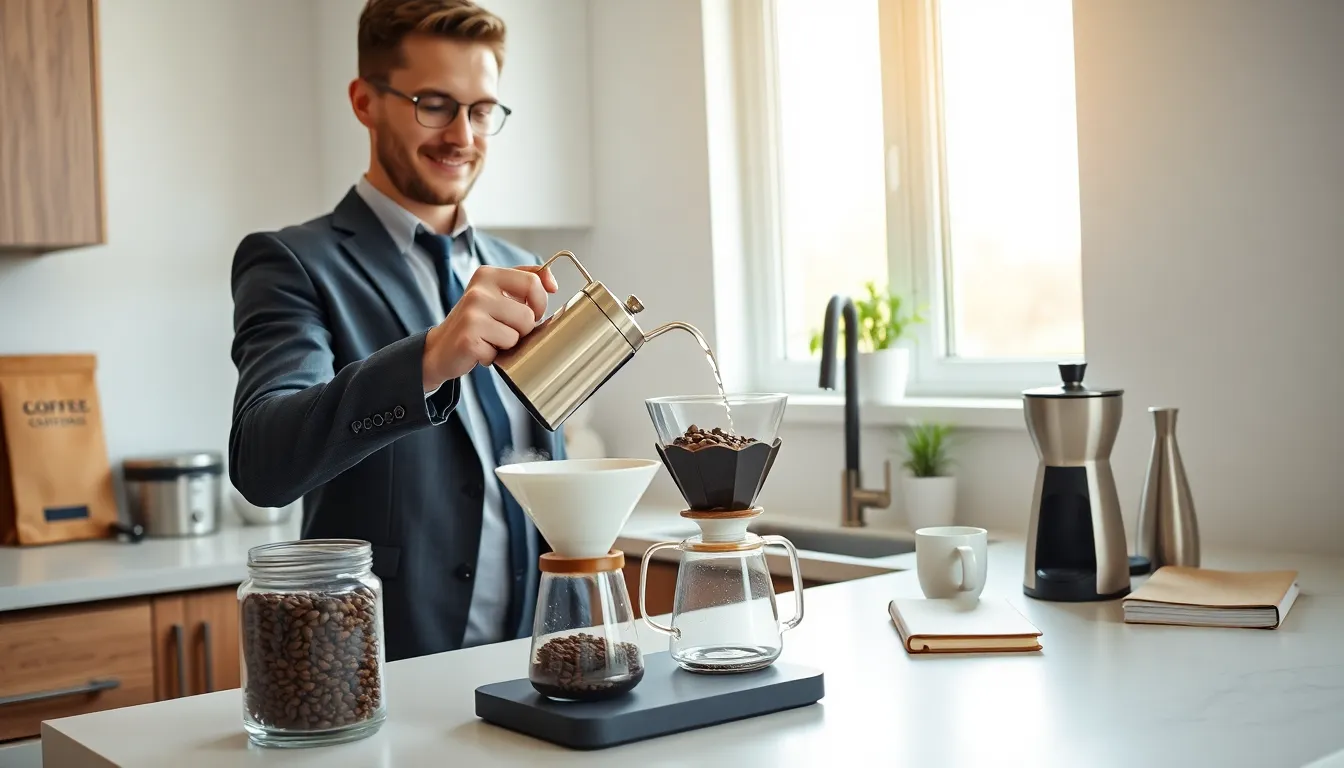
Personal coffee rituals turn a daily habit into something meaningful. They don’t require complicated setups, just intention and consistency.
Start by designating a specific time for coffee. Morning routines work well because they set the tone for the day. Some people prefer an afternoon coffee break to reset their focus.
The physical space matters too. A dedicated coffee corner with organized supplies creates a sense of occasion. Keep beans, grinder, and brewing equipment within easy reach.
Building a Simple Coffee Ritual
- Choose the music or silence: Some prefer quiet mornings: others enjoy background music.
- Grind fresh beans: The sound and aroma signal the start of the ritual.
- Heat water to the right temperature: 195-205°F works for most brewing methods.
- Brew with attention: Watch the process instead of multitasking.
- Drink without screens: Put the phone away for five minutes.
These steps take less than ten minutes but create a noticeable mental shift. The ritual becomes an anchor point in the day.
Coffee journals offer another way to deepen the experience. Recording bean origins, brewing variables, and tasting notes helps track preferences over time. After a few months, patterns emerge that guide future purchases.
Sharing coffee with others amplifies the experience. Inviting a friend for a home-brewed cup creates connection and gives purpose to the ritual. Coffee culture tips like these transform solitary habits into shared moments.
The goal isn’t perfection, it’s presence. Showing up consistently, paying attention, and making small improvements leads to genuine enjoyment.